

The Role of Water in Coorg: From Rituals to Daily Life
Water is the region's lifeblood since it is so significant in daily life and local practices in Coorg. A number of the local traditions happen on the banks of the holy Kaveri River, where offerings are made and prayers are said. Water's power in Coorg has a more extensive scope than mere physical attraction. It is also acknowledged for its divine cleanliness. The rivers and waterfalls, such as Abbey Falls, are among the most visited cultural sites and, at the same time, are the preferred locations for the community to meet. They offer moments of reflection and strengthen the deep connection between nature and ritual.
Coorg is a place where water plays a major role in the everyday life of the inhabitants. Water from spring and river is vital for the villagers as it is the source of water for all purposes such as drinking, cooking, farming, and washing. The coffee plantation and spice estate are dependent on the fertile soil and good irrigation for their growth. Water is the source of life, and hence, activities like river rafting in Barapole and picnics by the river are very much a part of the local community life and attract visitors. Ultimately, water in Coorg is a link between the area's natural richness, the cultural aspect as well as the community's needs.
Rivers and Streams That Shape Coorg's Landscape
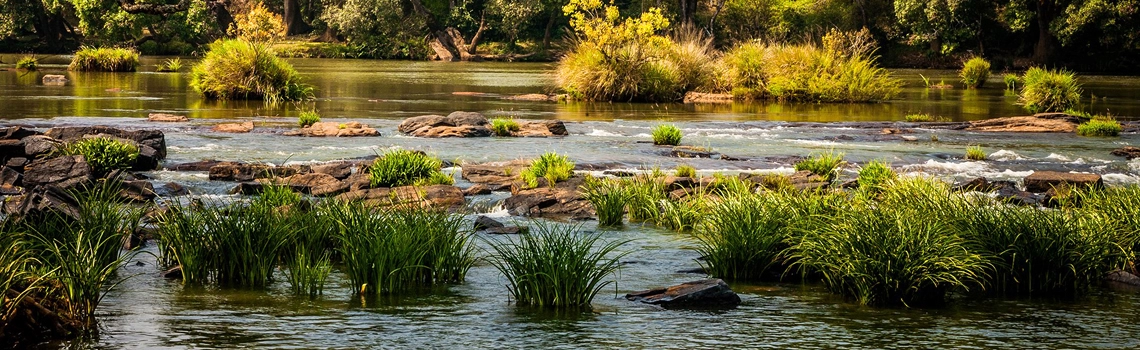
Rivers and streams are very important to the landscape of Coorg. They give life and character to the hills and valleys. The famous River Kaveri starts at Talakaveri and flows through the district. It is joined by other rivers like the Harangi and the Lakshmana Tirtha. These waterways nourish the fertile valleys and support the region's coffee and spice farms. They also surround Coorg's famous waterfalls like Abbey Falls, Iruppu Falls, and Mallalli Falls. These waterfalls flow dramatically through thick forests and rocky cliffs. They are beautiful places for both locals and tourists to visit.
Numerous streams, namely Barapole, Kumaradhara, and Payaswini, etc., contribute greatly to the beauty of the Coorg region. The streams cut down and create wonderful valleys and give water to peaceful dam-like areas like Chiklihole and Harangi. In Coorg, the banks of rivers are home to animals and traditional ceremonies. With the seasons, the sound, flow and vista change. The rivers and streams that connect are an important element of lifestyle, cultural use, and natural beauty. They illustrate how much water is present in the landscape of Coorg.
The Spiritual and Cultural Role of Water in Coorg
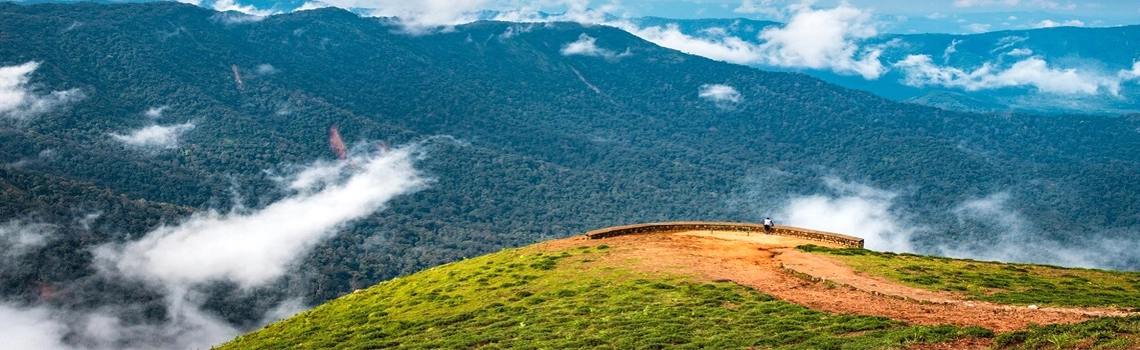
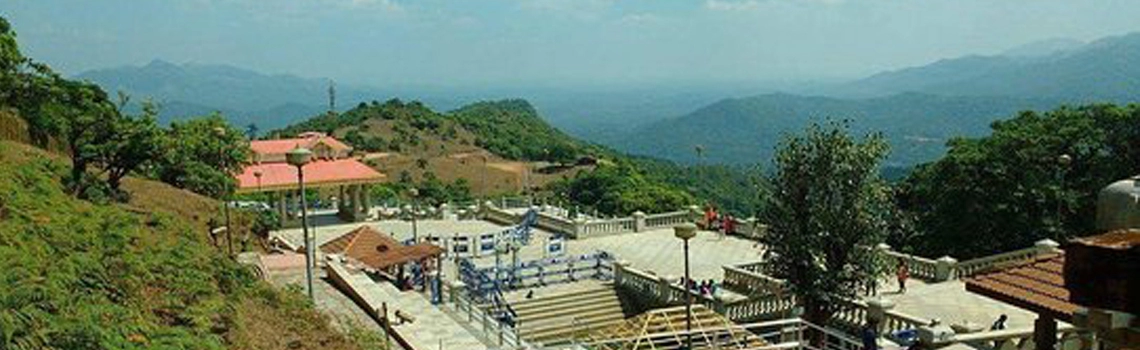
Talakaveri is one of the most revered and visited pilgrimage places and it is situated in the enchanting Brahmagiri Mountains of Kodagu district, Karnataka. Besides being a place of pilgrimage, it is also the birth place of the river Kaveri which is considered sacred by Hindus. Talakaveri, the place of utmost serenity, is at an altitude of 1,276 meters above sea level.
Its stillness and the wonder of nature around it with the Western Ghats views at their best make it a favorite spot for both pilgrims and nature lovers. The place of interest is a tiny spring that gradually develops into the river passing through Tamil Nadu and Karnataka, serving as the main source of water for millions of people and agriculture in the region.
Many people in the Kodagu area believe that Talakaveri is very important for their religion. Many people in India believe that the River Kaveri is one of the seven holy rivers and that its water can cleanse you. A story says that the river at Talakaveri was formed when the sage Agasthya held the Kaveri in his Kamandala (water pot). But Ganesha, who was dressed as a crow, turned the pot, which let the river flow freely. Talakaveri holds great mythological importance and is a well-known holy Site. It has a temple dedicated to Goddess Kaveriamma (Mother Kaveri) and other deities, including Lord Agastheeswarar and Lord Ganesha.
Traditional Rituals and Festivals Centered On Water
In Coorg, the Kaveri Sankramana festival is the top water ceremony. The holy river's symbolic resurrection, "Theerthodbhava," is seen by thousands of people at Talakaveri. The water that comes out is taken by people as a blessing for their houses, and the ladies worship the river goddess and offer her painted coconuts on the occasion of the Kani Puja as a token of their reverence.
Water is venerated in various ways by the people through offering and blessing in the fields and wells during Puttari, the traditional harvest festival in Coorg. The tirtha or holy water which was acquired is shared and conserved, and it shows that water is of utmost importance for both the spiritual and the practical sides of community celebrations.
How Water Supports Agriculture and Coffee Plantations?
The most essential element in farming and coffee processing in Coorg is water. It irrigates the entire process from planting to processing. Beside its tributaries, the Kaveri River is one of the chief water sources for irrigating crops. The waters are very mineral-rich and that is a great help to the cultivation of crops such as rice and spices but mainly coffee. Coffee is usually planted on the wet and shady hillsides of Coorg.
This uninterrupted water flow is also a primary factor at the different stages of planting, transplanting, and maintaining the fields green during the entire growing cycle. Water is a requirement in the case of shifting cultivation, as well as in organic and mixed-crop farming.
The monsoon downpours, together with the year-round streams, are the main factors of the coffee robberies in the area because they keep the soil moist to a large extent, provide nourishment to the deep root systems, and also influence the taste of the beans. The modern plantations compensate for the absence of natural rains by a combination of rainwater gathering, drip irrigation, and water conservation ponds. They have thus become less affected by weather-related disasters and droughts. Thus, these methods not only assist in maintaining the quality and the quantity of crops but also the area's famous green scenery and people's employment too.
Preserving Water Sources and Protecting Coorg's Ecosystem
Here are some easy things that Coorg does to safeguard its ecosystem and keep its water supplies safe:
• To prevent wasting water, individuals in the area and resorts gather rainwater and utilize it for drinking, cooking, and other everyday requirements.
• They employ modern methods to clean and reuse water for gardens and plantations. This maintains the land green and saves water every day.
• Farmers grow coffee under large trees using shade-grown techniques to avoid the soil and waterways from becoming contaminated and eroded.
• Eco-friendly plumbing and low-flow fixtures in homes and hotels help people practice water conservation and waste less.
• Community programs, eco-tourism, and sacred trees support water conservation, as well as conserve Coorg's ecology, and also care for future generations. The government manages groundwater and case the condition of rivers, tank, or pond.
Conclusion: Understanding the Role of Water in Coorg
It is important to save and protect water sources in Coorg. It helps in the health growth and future of Coorg. The area relies on rainwater harvesting, responsible farming, and minimal chemical usage to maintain the cleanliness of the rivers and forests. The locals, hotels, and farmers collaborate in environmental protection and the promotion of eco-tourism. These unceasing endeavors contribute to the conservation of Coorg's rare flora and fauna, and natural beauty for the enjoyment of all.
Comments